1.5 µA
Measured deep-sleep current
Observed on the tag hardware with the low-current regulator implementation installed carefully.
 IntelliKeepby Intellidwell
WSU Thesis Update
This page now reflects the April 2026 Weber State University report for IntelliKeep: a complete BLE asset-tracking system with custom tags, an ESP32-S3 base station, cloud sync, browser monitoring, and mobile alerts.
Prototype-level system architecture, hardware, firmware, backend, and mobile workflows are documented and evaluated in the thesis report.
The strongest unfinished item is long-duration CR2032 validation under realistic Bluetooth pulse loading, plus broader field and stress testing.
Key measured numbers and implementation constraints pulled directly from the report.
Observed on the tag hardware with the low-current regulator implementation installed carefully.
Reliable communication between the tag and base station in open-area testing.
Short beacon interval used in the final low-power tag wake cycle.
Steady-state wake duration before the tag returns to deep sleep.
Final low-power operating interval used by the current firmware direction.
Implementation limit of the present NVS-backed local storage model on the base station.
The biggest changes between the earlier concept and the finished thesis prototype.
The report describes a complete four-layer system: BLE tags, an ESP32-S3 base station, a Flask cloud backend, and browser/mobile clients with notifications.
Both the BLE tag and the base station now have custom PCBs, tuned NFC support, tamper sensing, and printed enclosures instead of remaining at dev-board stage.
The implementation moved away from connection-oriented BLE and into a short beacon-only wake cycle, reducing complexity and keeping presence logic at the base station.
The report concludes that most core monitoring, enrollment, cloud sync, and dashboard requirements are met, with the main remaining gap centered on CR2032 validation and larger stress testing.
The report frames IntelliKeep as a strong prototype moving toward a more deployable product.
Recent testing emphasized power behavior, radio range, low-power firmware direction, and reliability mechanisms.
These bars summarize standout technical results discussed in the report.
The beacon-only design keeps estimated single-wake collision probability low for the intended 3 to 5 tag deployment range.
The report concludes that IntelliKeep meets the majority of its functional and performance goals at the prototype level.
Hardware, enclosure, and circuit images sourced from the thesis project materials.
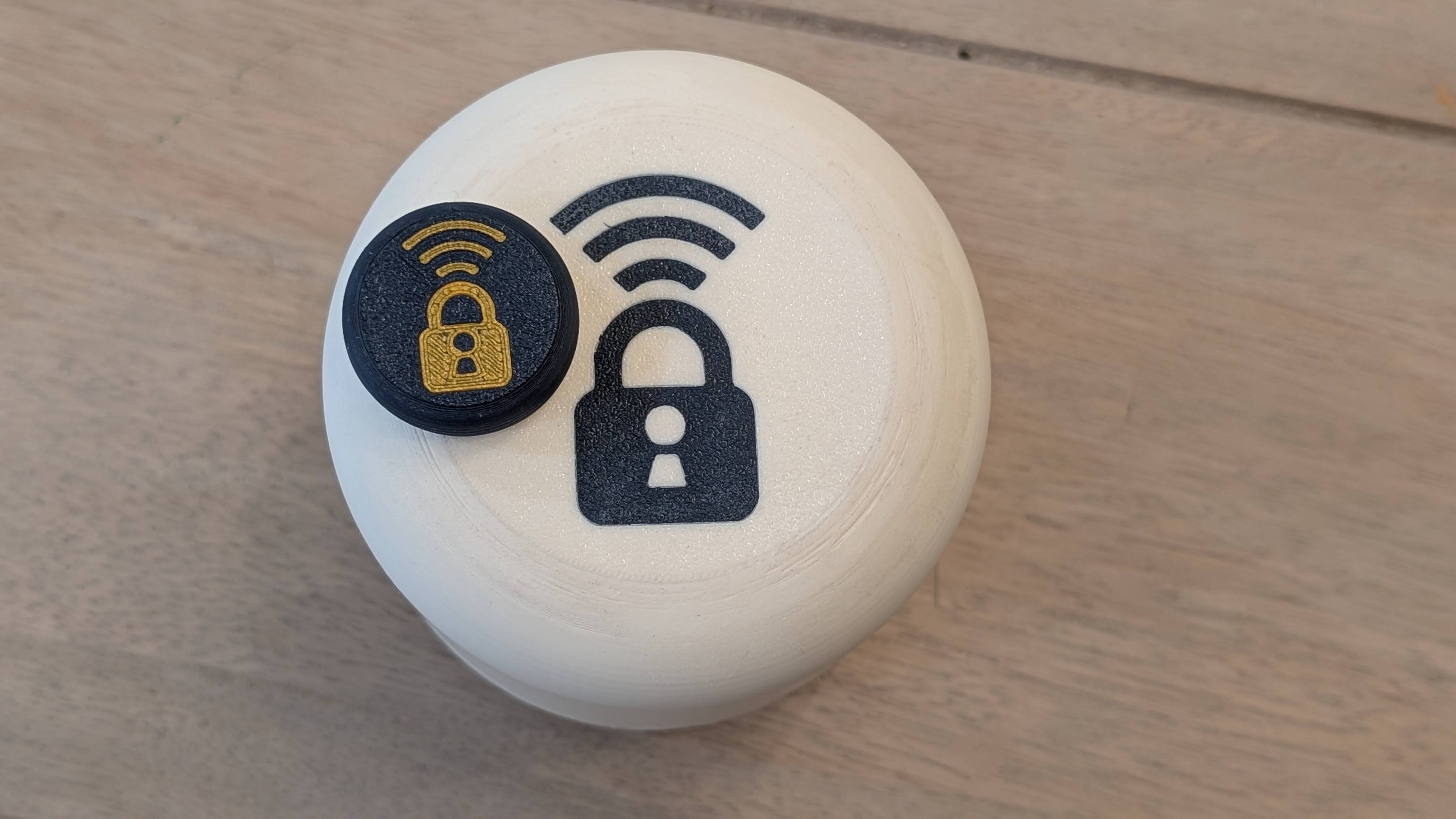
Physical prototype enclosures for the IntelliKeep tag and base station.
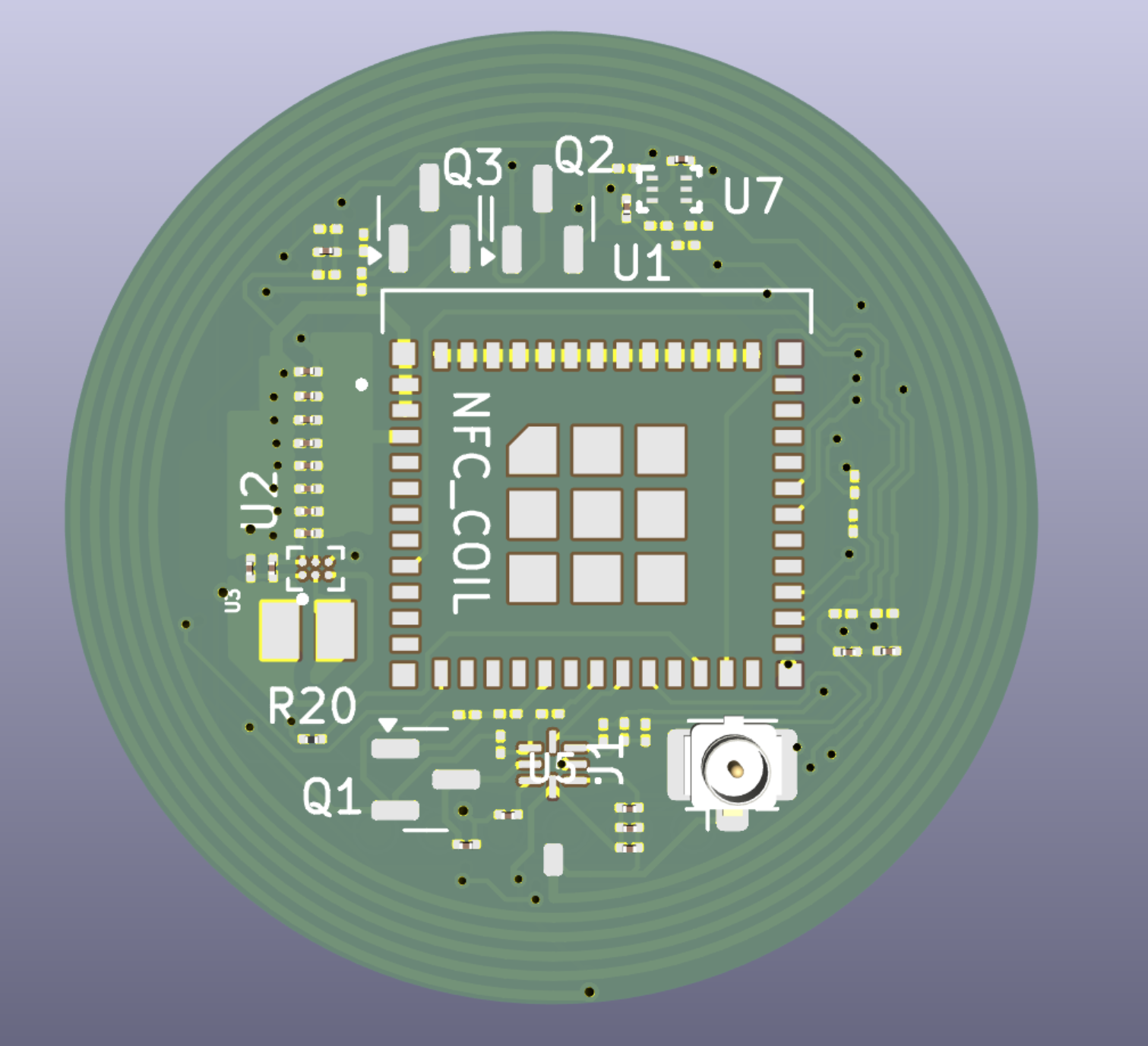
Custom IntelliKeep BLE tag PCB prototype.
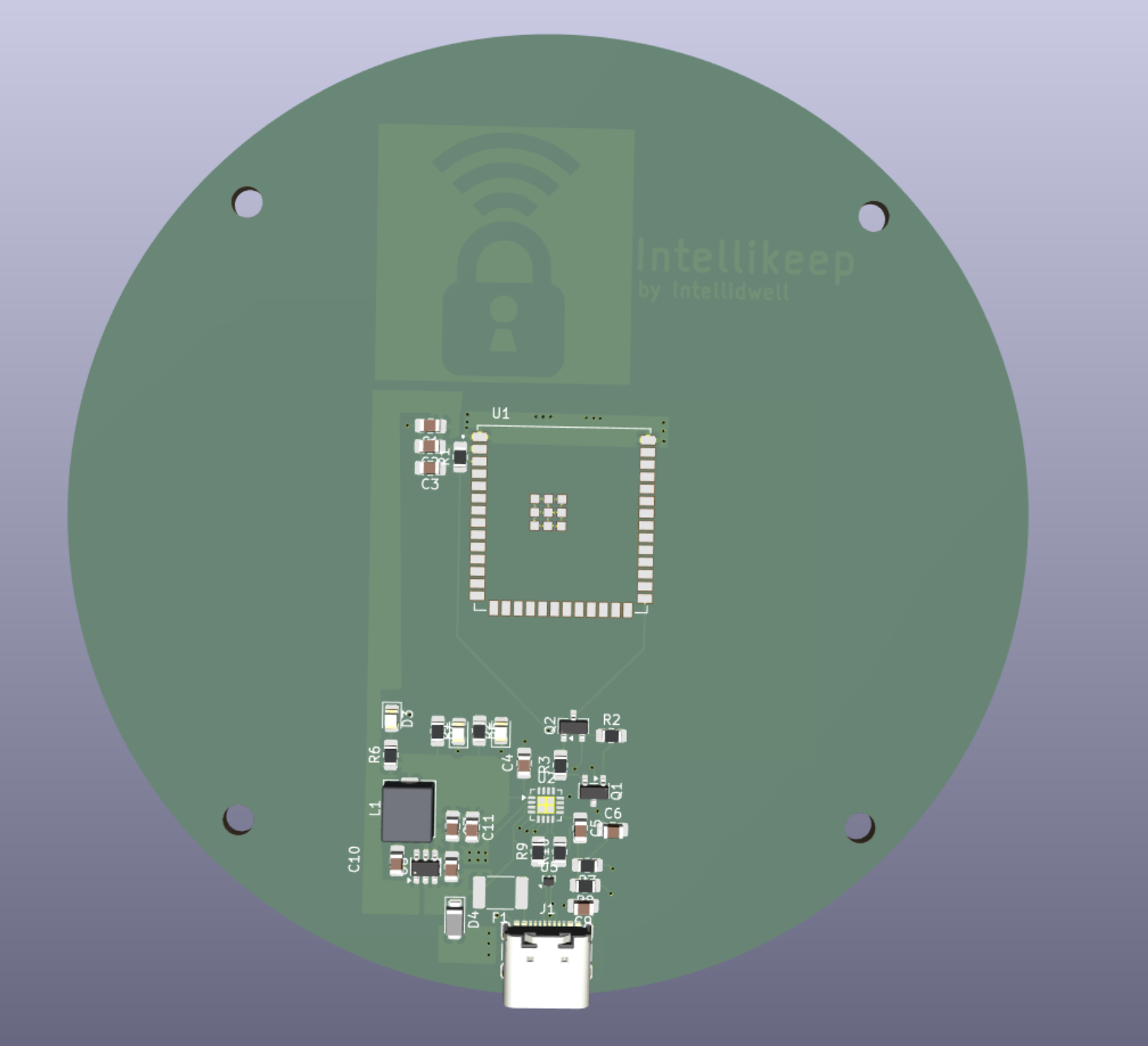
Custom ESP32-S3 base-station PCB prototype.
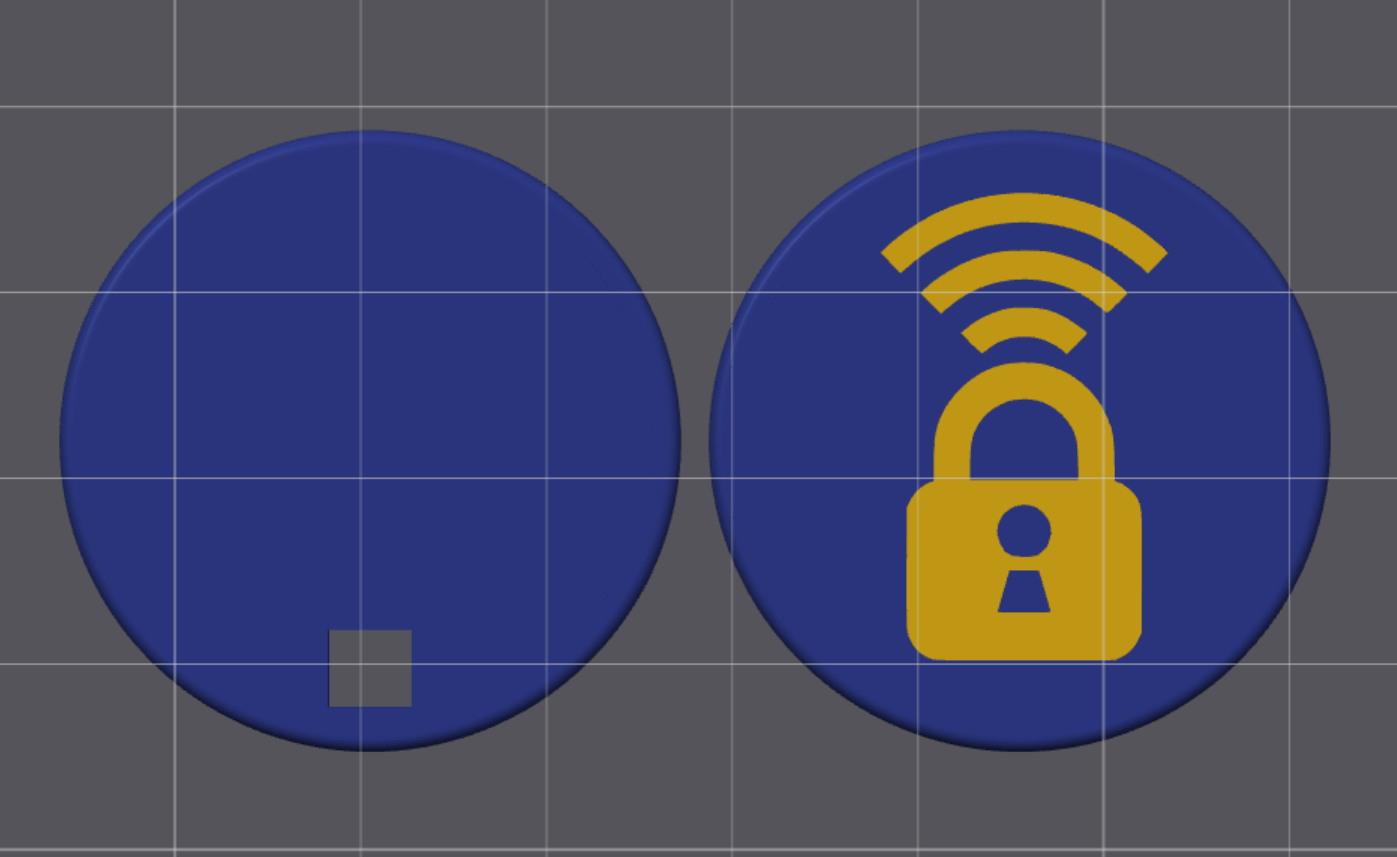
Compact cylindrical tag housing with snap-fit construction.
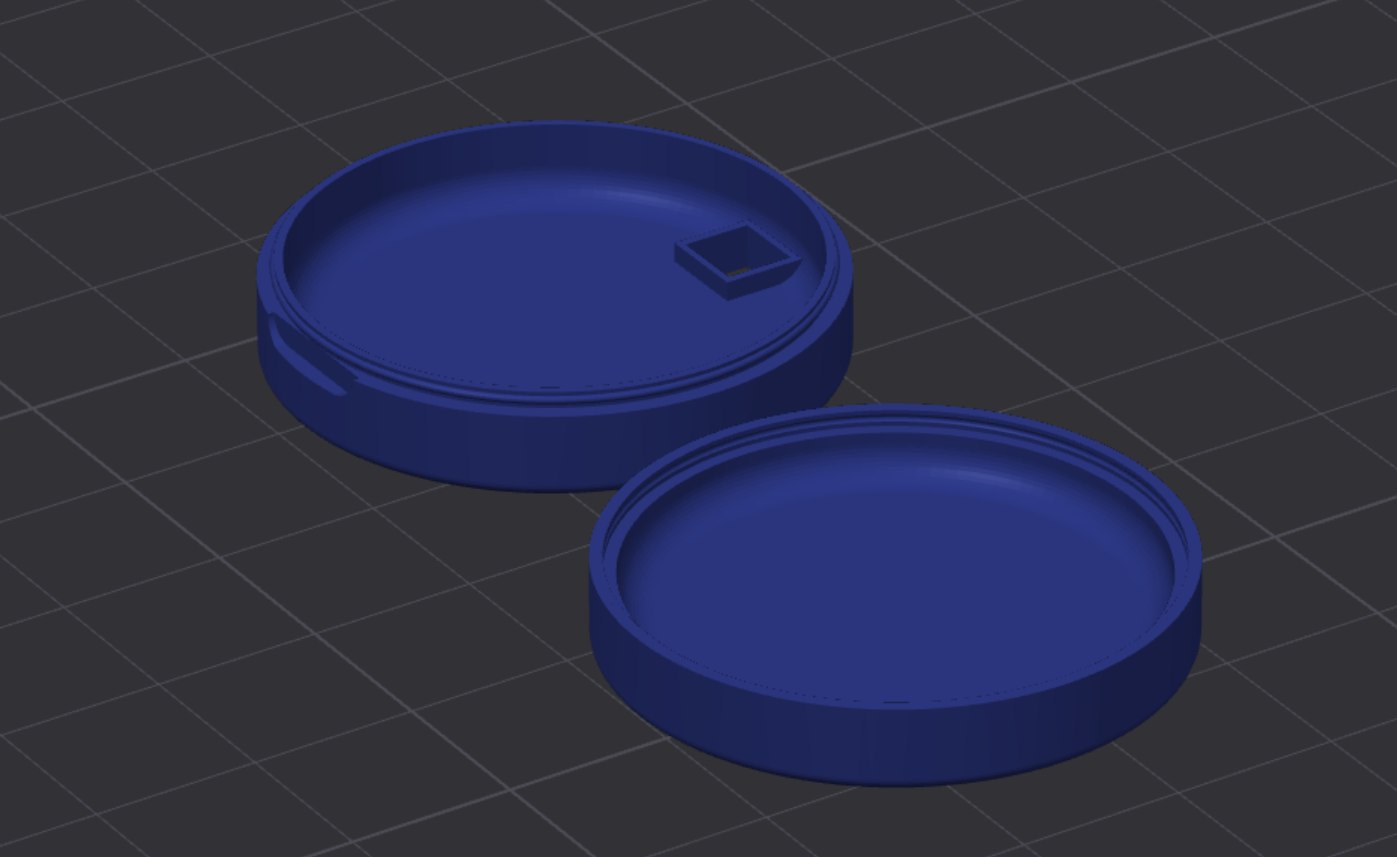
Internal packaging arrangement for the tag electronics.

Standalone base-station form factor developed in Fusion and 3D printed.
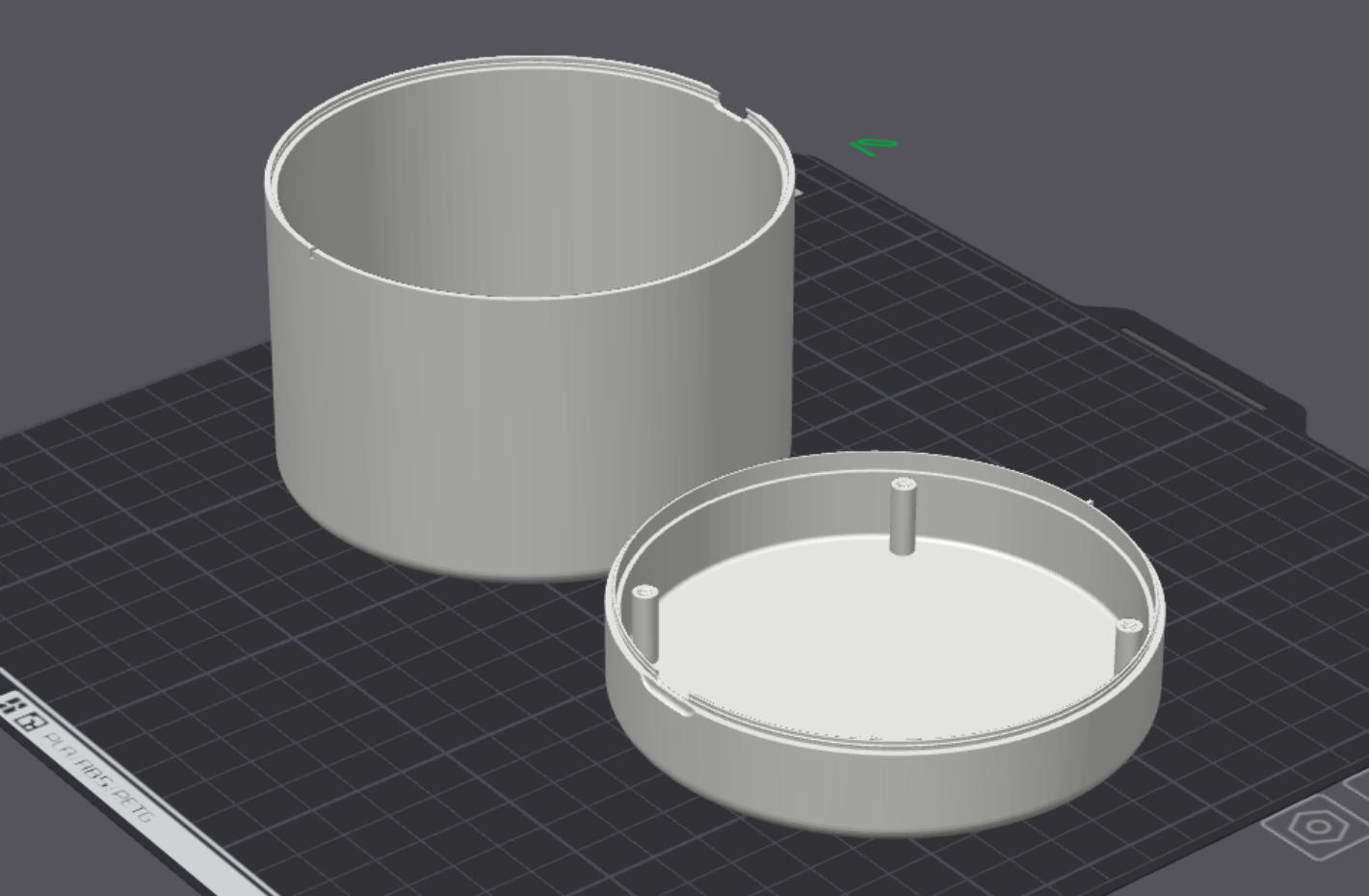
Internal supports for PCB mounting, connector access, and antenna placement.
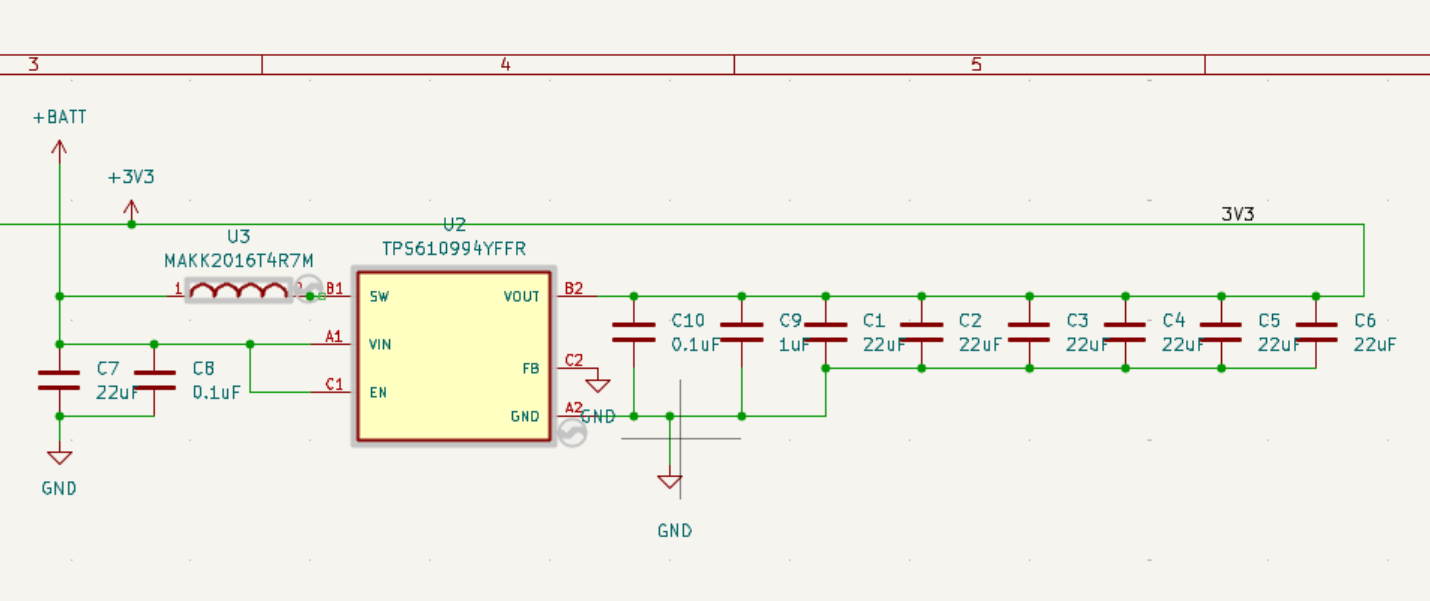
Ultra-low-quiescent-current power stage built around the TPS610994YFFR.
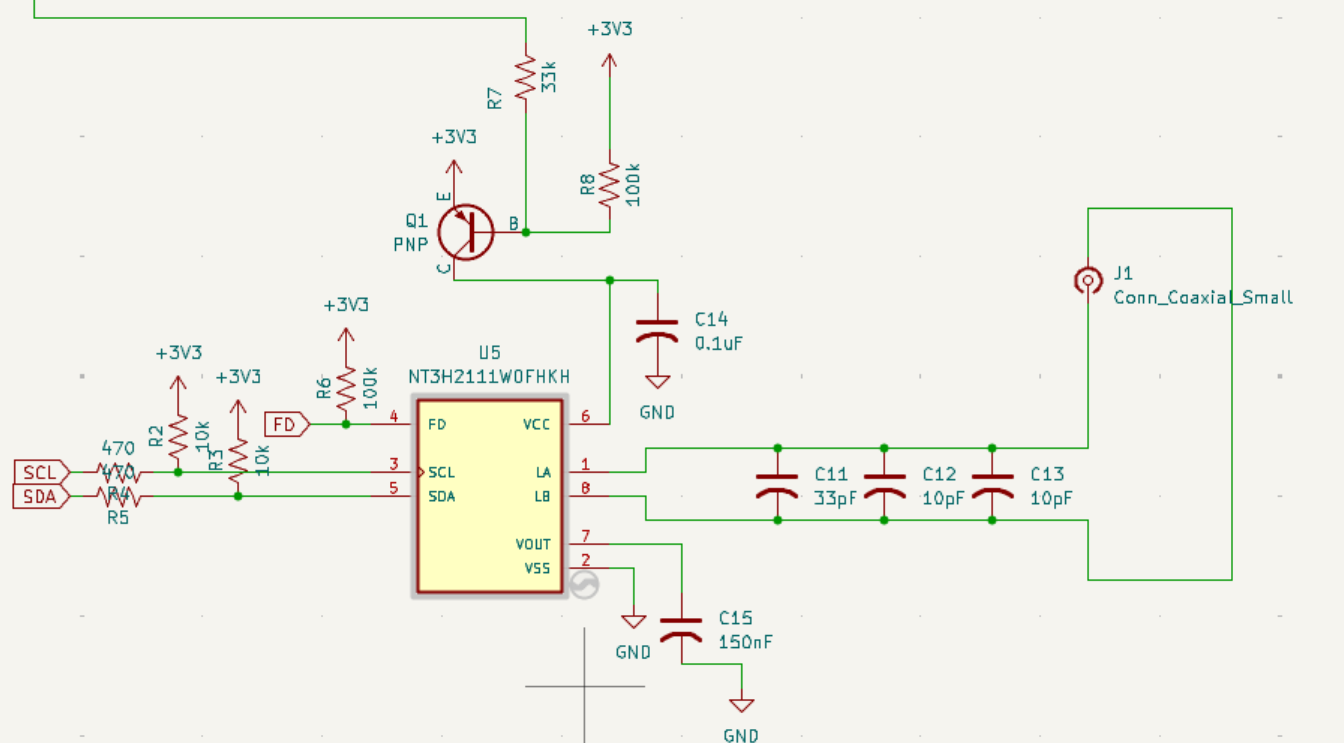
NFC hardware used for close-range tag enrollment and identity transfer.
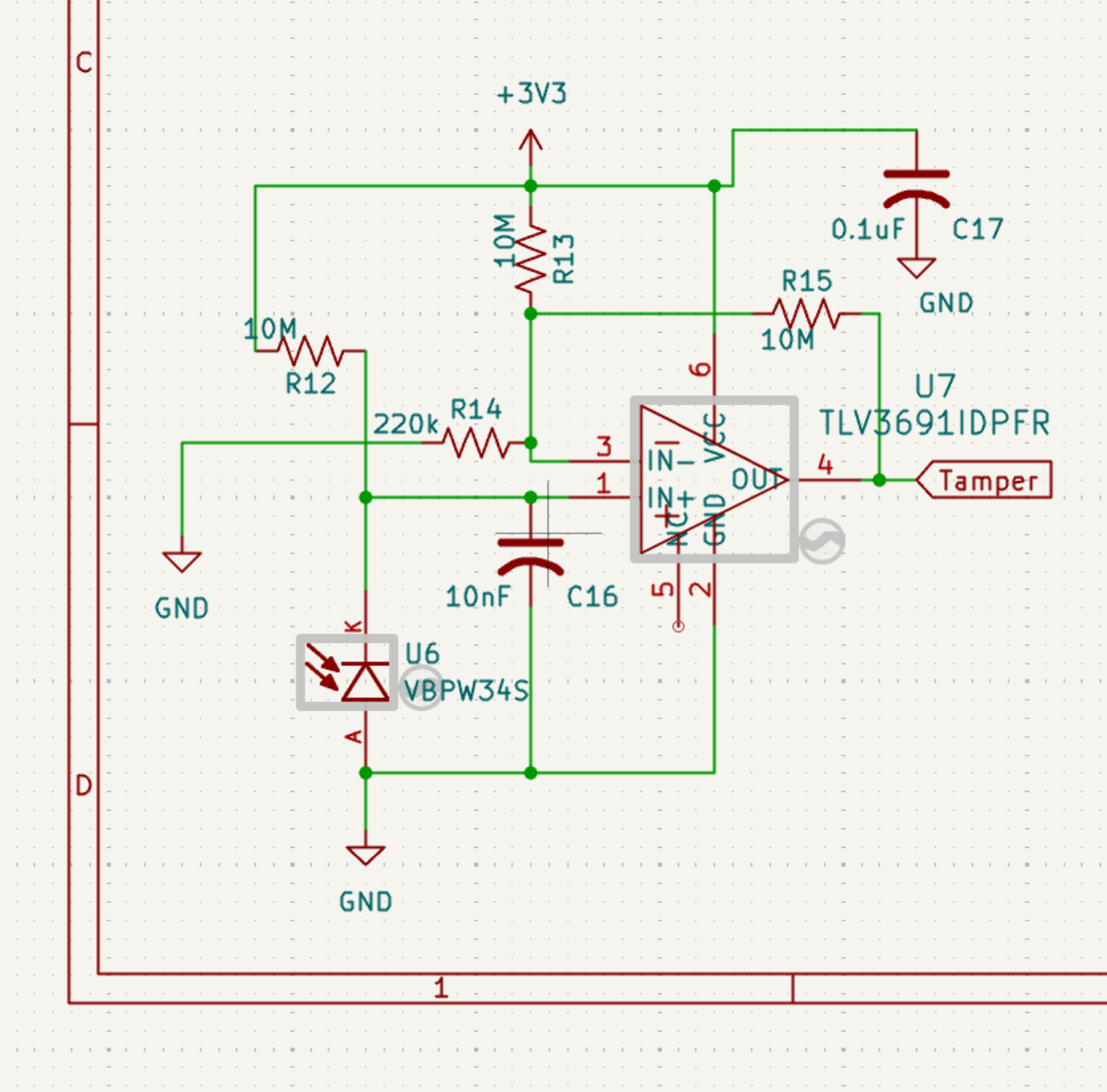
Photodiode plus comparator path for low-power enclosure tamper detection.
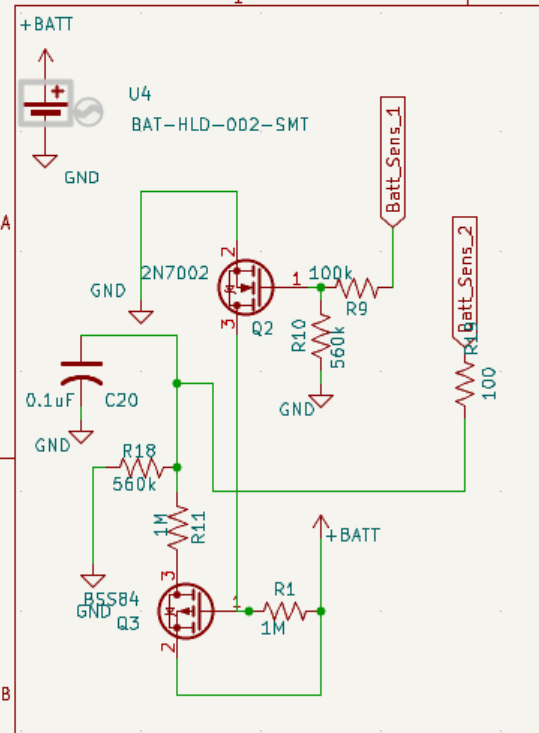
Switched divider design that avoids permanent sleep-current leakage.
The report’s main engineering lessons came from real hardware bring-up rather than only from software integration.
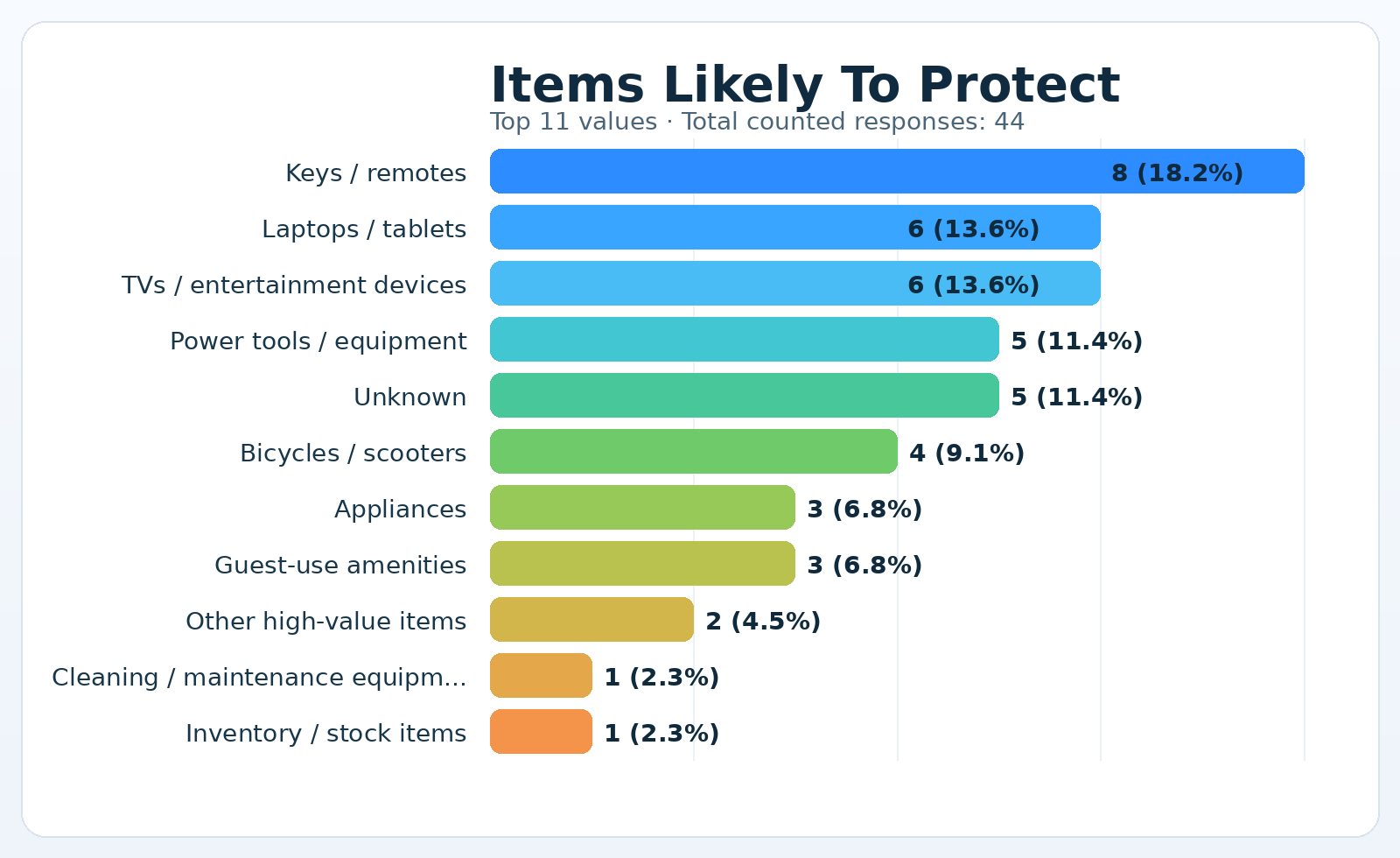
Early market feedback remains useful context alongside the technical update.
Updated Oct 13, 2026 07:09 PM
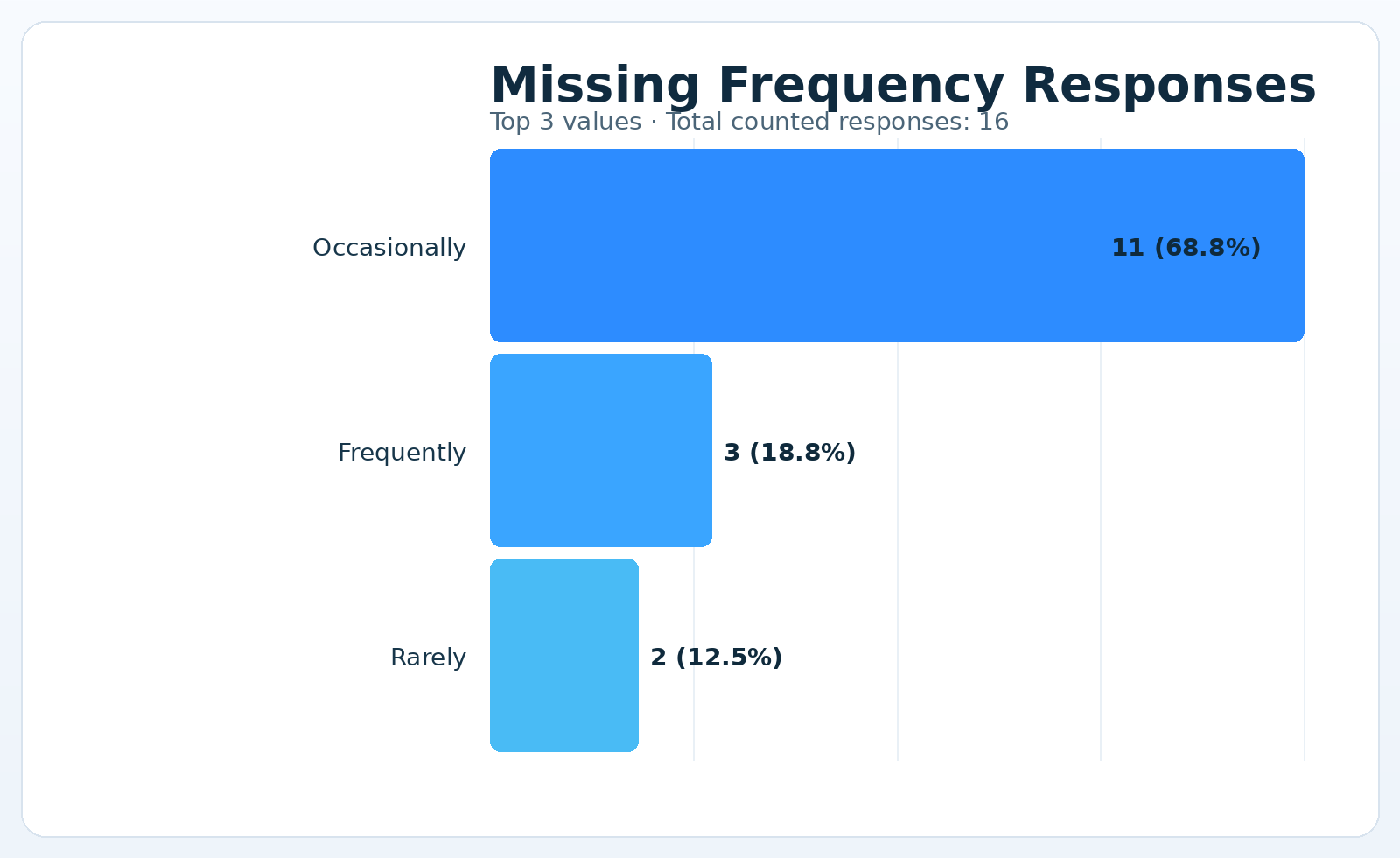
Updated Oct 13, 2026 07:09 PM
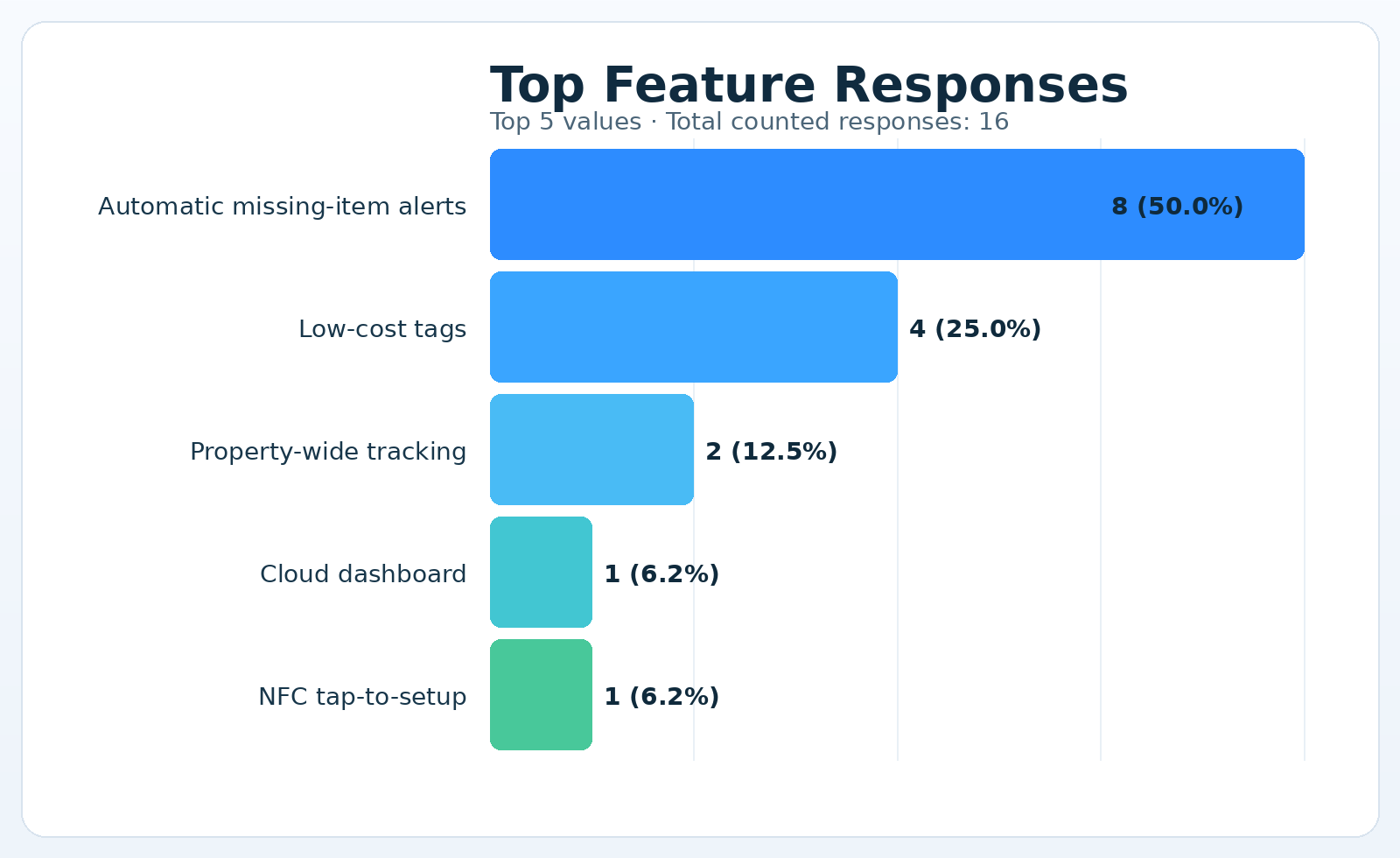
Updated Oct 13, 2026 07:09 PM
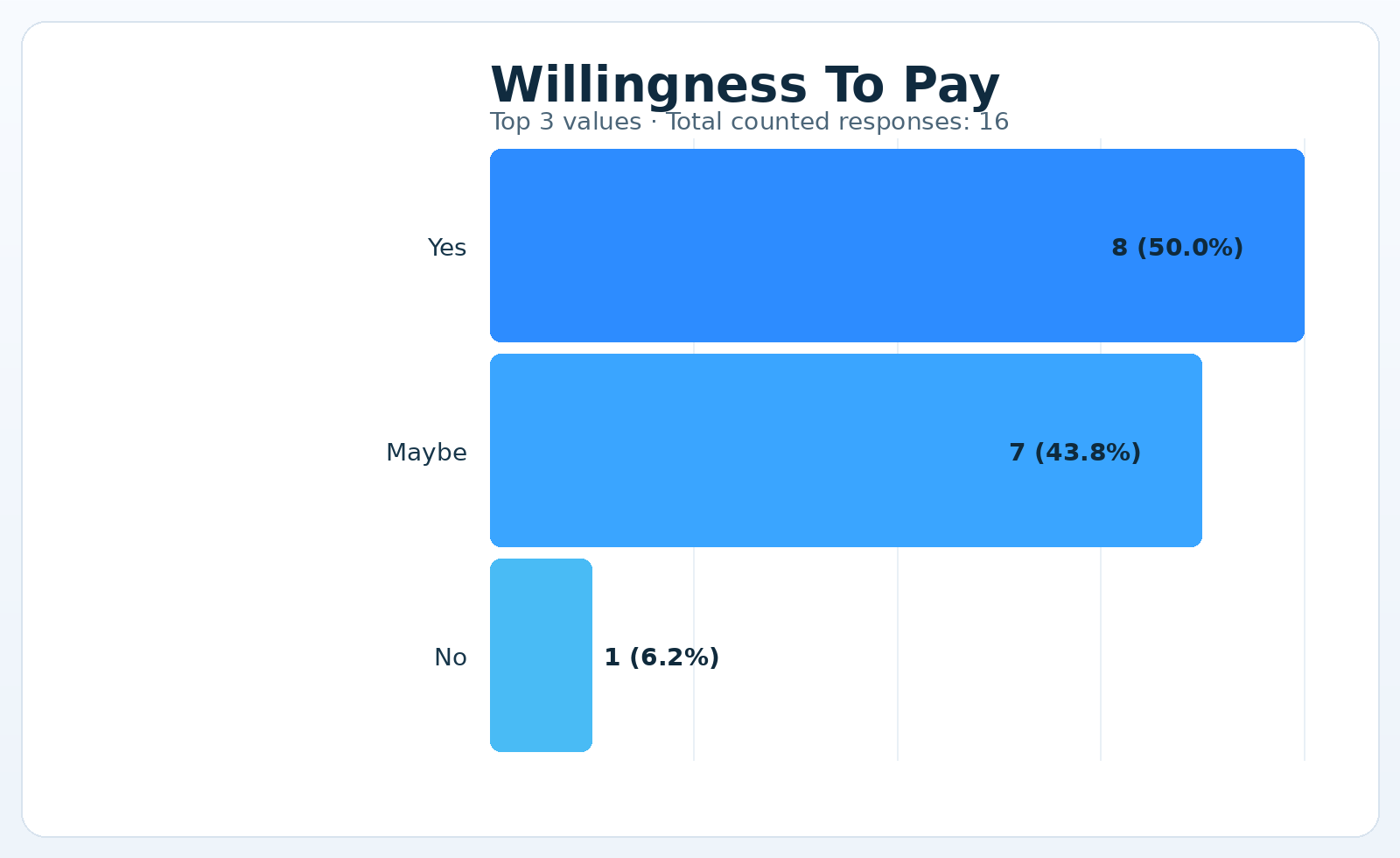
Updated Oct 13, 2026 07:09 PM
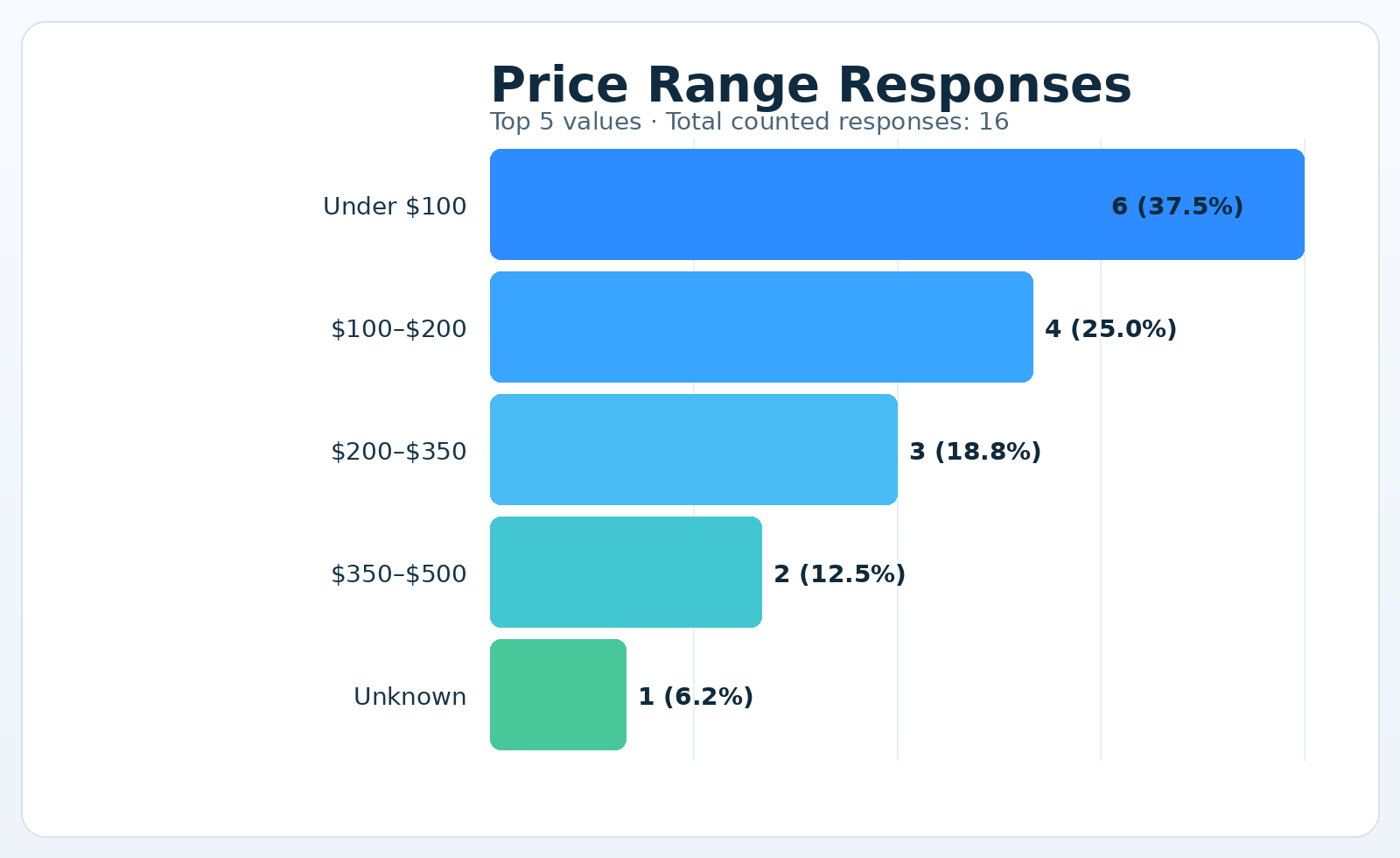
Updated Oct 13, 2026 07:09 PM
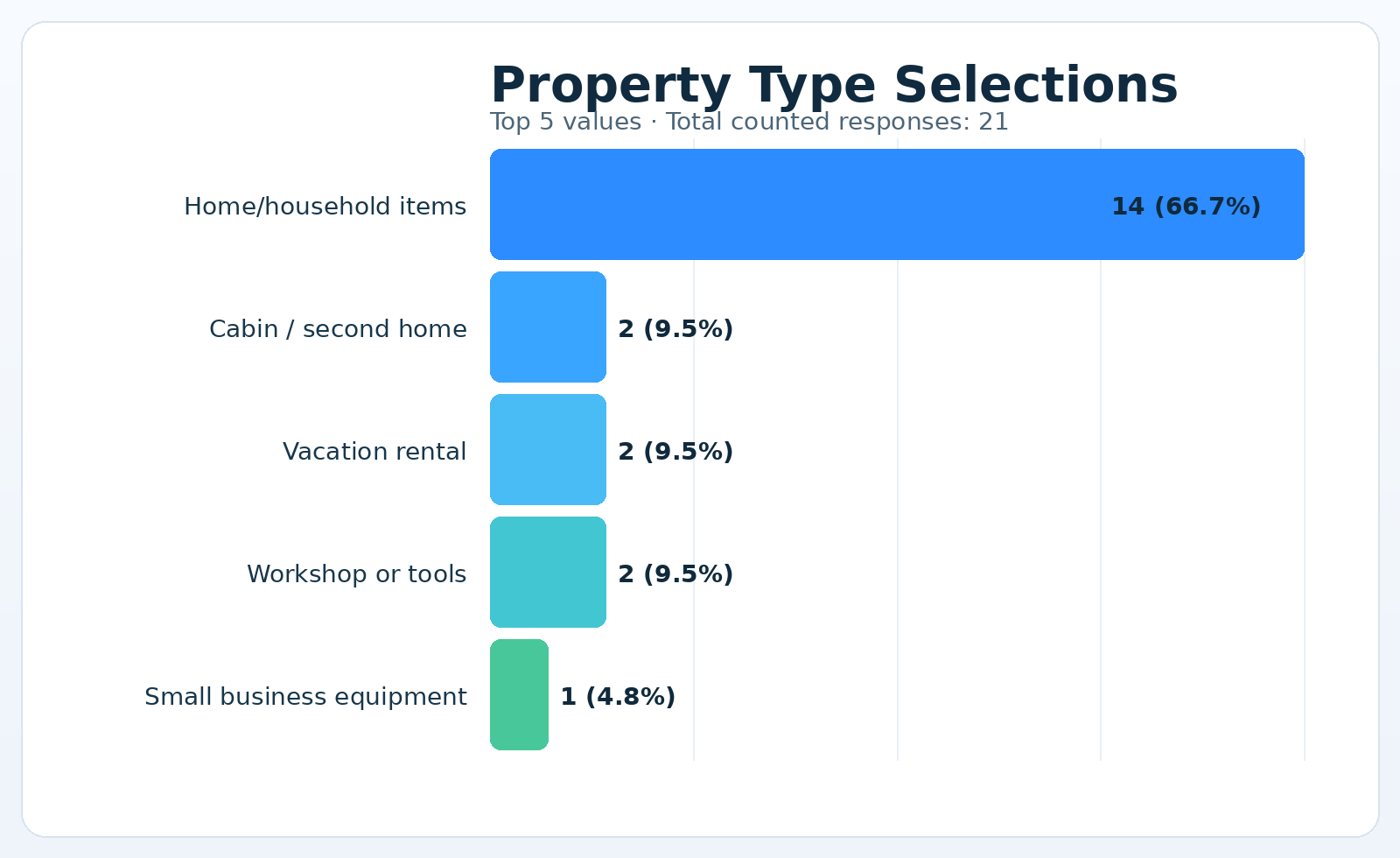
Updated Oct 13, 2026 07:09 PM